
Escucha gratis este podcast en la aplicación: Descarga gratuita en la App Store
radio.net
Sleep timer
Favoritos
286 episodios
How to connect with literally anyone (w/ Chris Gethard)
26/10/2026 | 44 minChris Gethard is a comedian and the host of the podcast Beautiful Anonymous, an unscripted, unpredictable show where one anonymous person calls in and shares their family woes, secret confessions, or anything at all they want to talk about for 60 minutes. The only rule is that Chris Gethard can’t hang up. Gethard shares what he has learned from the show about how to talk to literally anyone, the life skills he mastered through improv comedy, and why making people laugh has been so important for his own mental health.
Connect with the team
Follow Chris on Instagram and at chrisduffycomedy.com
Buy Chris’ book, Humor Me
Watch How to Be a Better Human videos on YouTube at TEDPods
Follow TED on X, Instagram, Facebook, LinkedIn, and TikTok
For the full text transcript, visit go.ted.com/BHTranscripts
Hosted on Acast. See acast.com/privacy for more information.Why do we like scary stories? (w/ Glynn Washington)
19/10/2026 | 43 minHow does someone who claims having zero tolerance on watching scary movies come to host a podcast on supernatural stories? That’s the question Chris asked Glynn Washington, host of the podcast Snap Judgment and his new show, Spooked. Glynn shares how he grew up in a cult and later moved to Japan. He also talks about the traits in great storytellers and recounts paranormal stories.
Featured guest
Follow Glynn Washington on Instagram
Listen to Snap Judgment and Spooked
Connect with the team
Follow Chris on Instagram and at chrisduffycomedy.com
Buy Chris’ book, Humor Me
Watch How to Be a Better Human videos on YouTube at TEDPods
Follow TED on X, Instagram, Facebook, LinkedIn, and TikTok
For the full text transcript, visit go.ted.com/BHTranscripts
Hosted on Acast. See acast.com/privacy for more information.Do all my friends secretly hate me? | from Corner Piece
15/10/2026 | 40 minWhy does making friends as an adult feel like mission impossible?
Today, we’re sharing a special episode of a new TED podcast, Corner Piece. Friendship is hard, especially in adulthood, and this episode explores just that with personal stories from host Melissa Fernandes of her experience grappling with a friendship break up. Along the way, she interviews Anna Goldfarb, journalist and author of “Modern Friendship: How to Nurture Our Most Valuable Connections,” and Dr. Marisa G. Franco, professor and author of “Platonic: How the Science of Attachment Can Help You Make—And Keep—Friends”. They explain why friendship can get so complicated as you get older and how to build closer bonds.
Corner Piece is hosted by the trio behind the YouTube channel, Answer in Progress, who start small on life’s biggest questions and follow their curiosities about human connection down rabbit holes to help you, and themselves, understand the world around them a little bit better.
Hear more episodes of Corner Piece on your favorite podcast app or here: https://link.mgln.ai/XDcPEc
For the full text transcript, visit go.ted.com/BHTranscripts
Hosted on Acast. See acast.com/privacy for more information.The doctor who says to eat your ice cream (w/ Zeke Emanuel)
12/10/2026 | 45 minHow long do you want to live? 75 years? 90? Over 100?! In this episode, oncologist and bioethicist Zeke Emanuel joins Chris to discuss why he’s suspicious about medical establishments and their push to treat illness and disease rather than teaching patients how to be healthy. They also talk about the beauty of spontaneous conversations with strangers. Finally Zeke shares the three foods you need to cut from your diet immediately… and why ice-cream is not on that list!
Featured guest
Follow Zeke Emanuel on Instagram, TikTok, LinkedIn, and at his website
Buy Eat Your Ice Cream: Six Simple Rules for a Long and Healthy Life
Connect with the team
Follow Chris on Instagram and at chrisduffycomedy.com
Buy Chris’ book, Humor Me
Watch How to Be a Better Human videos on YouTube at TEDPods
Follow TED on X, Instagram, Facebook, LinkedIn, and TikTok
For the full text transcript, visit go.ted.com/BHTranscripts
Hosted on Acast. See acast.com/privacy for more information.How to reclaim your narrative (w/ Monica Lewinsky)
05/10/2026 | 53 minMonica Lewinsky is an anti-bullying activist and host of Reclaiming with Monica, a podcast that shines her guests’ unguarded conversations about how they make sense of the world. In this episode filmed in front of a live audience at TED 2026, Chris interviews Monica on how she finds healing throughout the years. They discuss the role of public shaming in an online world, the differences between cancel culture and accountability culture, and how to have more empathy after surviving trauma.
Featured guest
Follow Monica Lewinsky on Instagram and X
Subscribe to Reclaiming with Monica Lewinsky on YouTube, TikTok, and Instagram
Connect with the team
Follow Chris on Instagram and at chrisduffycomedy.com
Buy Chris’ book, Humor Me
Watch How to Be a Better Human videos on YouTube at TEDPods
Follow TED on X, Instagram, Facebook, LinkedIn, and TikTok
For the full text transcript, visit go.ted.com/BHTranscripts
Hosted on Acast. See acast.com/privacy for more information.
Más podcasts de Educación





Podcasts a la moda de Educación





















Acerca de How to Be a Better Human
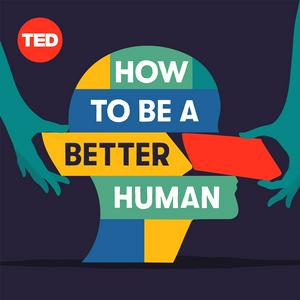
How To Be A Better Human isn’t your average self improvement podcast. Each week join Chris Duffy in conversation with guests and past speakers as they uncover sharp insights and give clear takeaways on how YOU can be a better human. From your work to your home and your head to your heart, How To Be a Better Human looks in unexpected places for new ways to improve and show up for one another. Inspired by the popular series of the same name on TED’s Ideas blog, How to Be a Better Human will help you become a better person from the comfort of your own headphones.Follow Chris on Instagram and TikTok at @chrisiduffy. Buy his book Humor Me. Hosted on Acast. See acast.com/privacy for more information.
Sitio web del podcastEscucha How to Be a Better Human, CAMINO AL ÉXITO por BRIAN TRACY y muchos más podcasts de todo el mundo con la aplicación de radio.net
Descarga la app gratuita: radio.net
- Añadir radios y podcasts a favoritos
- Transmisión por Wi-Fi y Bluetooth
- Carplay & Android Auto compatible
- Muchas otras funciones de la app
Descarga la app gratuita: radio.net
- Añadir radios y podcasts a favoritos
- Transmisión por Wi-Fi y Bluetooth
- Carplay & Android Auto compatible
- Muchas otras funciones de la app
How to Be a Better Human
Escanea el código,
Descarga la app,
Escucha.
Descarga la app,
Escucha.
How to Be a Better Human: Podcasts del grupo
 México