
Escucha gratis este podcast en la aplicación: Descarga gratuita en la App Store
radio.net
Sleep timer
Favoritos
1000 episodios
New Mexico's Lawsuit Filed Against Epstein Executors Darren Indyke And Richard Kahn (Part 2) (10/22/26)
22/10/2026 | 14 minNew Mexico Attorney General Raúl Torrez accused Darren Indyke and Richard Kahn of being active financial and administrative participants in what the complaint called the “Epstein Enterprise,” rather than merely Jeffrey Epstein’s lawyer and accountant. The state alleged that the enterprise operated from at least 1997 until Epstein’s death in 2019 and used properties including Zorro Ranch to recruit, transport, isolate, sexually abuse and traffic girls and young women. According to the complaint, Indyke and Kahn managed money and corporate entities that helped keep the operation functioning, including making large amounts of cash available, paying expenses for young women, managing Zorro-related companies and handling transactions that the state said helped conceal Epstein’s activities. The complaint alleged that more than $6 million in cash was withdrawn from Epstein accounts between 2002 and 2013 and that Indyke continued withdrawing more than $200,000 annually from one account even after Epstein became a registered sex offender. New Mexico further alleged that Indyke received more than $16 million from Epstein-related entities between 2011 and 2019, along with an unrepaid $7 million loan and other benefits, while Kahn received more than $10 million and millions more through his company. The state alleged that both men knew, or at minimum recklessly disregarded, that the money they administered was facilitating Epstein’s trafficking and abuse, including conduct at Zorro Ranch.
The lawsuit went considerably further than simply seeking damages from Epstein’s estate. New Mexico brought claims under the federal Trafficking Victims Protection Act and the New Mexico Racketeering Act, accusing Indyke and Kahn of participating in racketeering predicates involving kidnapping, criminal solicitation and conspiracy, while also seeking restitution for unjust enrichment. The complaint cited multiple Jane Does who allegedly were transported to Zorro Ranch through deception, intimidation or coercion and sexually abused there, and it alleged that Indyke and Kahn helped finance the system that recruited and maintained access to those victims. The financial stakes were enormous because both men now serve as co-executors of Epstein’s estate and trustees and beneficiaries of the 1953 Trust; the complaint said Indyke could receive up to $50 million and Kahn up to $25 million from an estate still valued at more than $107 million. New Mexico asked the court to block estate distributions while the case proceeds, force the defendants to disgorge allegedly ill-gotten gains, award restitution, compensatory and punitive damages, potentially triple racketeering damages, and direct assets toward people harmed by the alleged enterprise. These remain civil allegations that Indyke and Kahn will have the opportunity to contest, but the filing represents one of the most aggressive attempts yet to hold Epstein’s financial inner circle legally responsible for allegedly enabling the machinery around his trafficking operation.
to contact me:
bobbycapucci@protonmail.com
source:
gov.uscourts.nmd.576774.1.0_1.pdfNew Mexico's Lawsuit Filed Against Epstein Executors Darren Indyke And Richard Kahn (Part 1) (10/22/26)
22/10/2026 | 11 minNew Mexico Attorney General Raúl Torrez accused Darren Indyke and Richard Kahn of being active financial and administrative participants in what the complaint called the “Epstein Enterprise,” rather than merely Jeffrey Epstein’s lawyer and accountant. The state alleged that the enterprise operated from at least 1997 until Epstein’s death in 2019 and used properties including Zorro Ranch to recruit, transport, isolate, sexually abuse and traffic girls and young women. According to the complaint, Indyke and Kahn managed money and corporate entities that helped keep the operation functioning, including making large amounts of cash available, paying expenses for young women, managing Zorro-related companies and handling transactions that the state said helped conceal Epstein’s activities. The complaint alleged that more than $6 million in cash was withdrawn from Epstein accounts between 2002 and 2013 and that Indyke continued withdrawing more than $200,000 annually from one account even after Epstein became a registered sex offender. New Mexico further alleged that Indyke received more than $16 million from Epstein-related entities between 2011 and 2019, along with an unrepaid $7 million loan and other benefits, while Kahn received more than $10 million and millions more through his company. The state alleged that both men knew, or at minimum recklessly disregarded, that the money they administered was facilitating Epstein’s trafficking and abuse, including conduct at Zorro Ranch.
The lawsuit went considerably further than simply seeking damages from Epstein’s estate. New Mexico brought claims under the federal Trafficking Victims Protection Act and the New Mexico Racketeering Act, accusing Indyke and Kahn of participating in racketeering predicates involving kidnapping, criminal solicitation and conspiracy, while also seeking restitution for unjust enrichment. The complaint cited multiple Jane Does who allegedly were transported to Zorro Ranch through deception, intimidation or coercion and sexually abused there, and it alleged that Indyke and Kahn helped finance the system that recruited and maintained access to those victims. The financial stakes were enormous because both men now serve as co-executors of Epstein’s estate and trustees and beneficiaries of the 1953 Trust; the complaint said Indyke could receive up to $50 million and Kahn up to $25 million from an estate still valued at more than $107 million. New Mexico asked the court to block estate distributions while the case proceeds, force the defendants to disgorge allegedly ill-gotten gains, award restitution, compensatory and punitive damages, potentially triple racketeering damages, and direct assets toward people harmed by the alleged enterprise. These remain civil allegations that Indyke and Kahn will have the opportunity to contest, but the filing represents one of the most aggressive attempts yet to hold Epstein’s financial inner circle legally responsible for allegedly enabling the machinery around his trafficking operation.
to contact me:
bobbycapucci@protonmail.com
source:
gov.uscourts.nmd.576774.1.0_1.pdfNew Mexico Alleges Indyke and Kahn Helped Sustain Epstein Operation (10/22/26)
22/10/2026 | 16 minNew Mexico Attorney General Raúl Torrez filed a federal lawsuit against Jeffrey Epstein’s longtime attorney Darren Indyke, accountant Richard Kahn, Epstein’s estate and the 1953 Trust, alleging that Indyke and Kahn knowingly helped facilitate, finance and conceal Epstein’s sex-trafficking operation, including abuse connected to Zorro Ranch. The complaint portrayed the two men as far more than ordinary professional advisers, alleging that they managed the financial and corporate machinery that kept Epstein’s operation functioning, made cash available from his accounts, handled payments and expenses involving young women, administered Epstein-controlled companies and helped structure ownership of properties including Zorro Ranch. New Mexico alleged that Indyke received more than $16 million from Epstein-related entities between 2011 and 2019, while Kahn received more than $10 million, and argued that both men continued working for Epstein even after his 2008 sex-offense conviction. The suit was brought under the federal Trafficking Victims Protection Act and New Mexico’s Racketeering Act and sought to prevent people the state alleges enabled Epstein’s crimes from ultimately profiting from his estate.
The financial stakes were substantial because Indyke and Kahn were not only Epstein’s longtime advisers but also became co-executors of his estate and trustees and beneficiaries of the 1953 Trust. The complaint alleged that Indyke could receive as much as $50 million and Kahn as much as $25 million from an estate currently valued at more than $107 million, creating what survivors described as an extraordinary conflict in which the same men helping administer victim settlements could eventually inherit what remained. Torrez’s office said the goal was to recover damages for survivors, prevent defendants from benefiting from an alleged trafficking enterprise and hold accountable people who allegedly helped sustain Epstein’s operation long after his crimes should have been obvious. Indyke and Kahn emphatically denied the allegations, calling the lawsuit baseless and stressing that no survivor had accused either man of committing or witnessing sexual abuse or of being directly told about Epstein’s abuse. Neither man had been criminally charged in connection with Epstein’s crimes, making the New Mexico lawsuit a major new attempt to test their claimed lack of knowledge against the financial and corporate record surrounding Epstein’s operation.
to contact me:
bobbycapucci@protonmail.com
source:
Epstein lawyer and accountant ‘knowingly participated’ in his sex trafficking, New Mexico AG claims in suit | The IndependentRobert Mazur Urges Special Counsel for Epstein Files Review (10/22/26)
22/10/2026 | 17 minFormer federal agent Robert Mazur argued that investigators should stop treating Ghislaine Maxwell as a uniquely valuable source of truth about Jeffrey Epstein’s network and instead build the investigation around survivors, documentary evidence and the prosecutors who originally developed the case. He pointed to Maxwell’s conviction and her history of false statements under oath as reasons to treat anything she said with extreme skepticism, while noting that attorneys representing Epstein survivors had said their clients were prepared to identify powerful people they alleged were connected to Epstein’s trafficking operation. Mazur highlighted statements from attorney Brad Edwards and survivor Maria Farmer, along with flight records, photographs, court testimony and other evidence documenting Epstein’s relationships with prominent figures, including Donald Trump. He questioned why Deputy Attorney General Todd Blanche personally interviewed Maxwell in prison despite having had no role in her prosecution and criticized her subsequent transfer to a lower-security federal prison camp, arguing that veteran members of the Epstein-Maxwell prosecution team were far better positioned to evaluate anything she offered.
Mazur called for an independent special counsel to conduct a comprehensive review of the millions of pages of Epstein and Maxwell records held by federal authorities, identify anyone who could still be prosecuted and ultimately publish the investigation’s findings. He argued that Attorney General Pam Bondi and Blanche should recuse themselves because of their previous professional and financial connections to Trump, and he rejected the idea that a highly partisan congressional investigation was the best vehicle for uncovering the truth. Instead, Mazur proposed allowing Maxwell to exhaust her appeals and then compelling her testimony before a grand jury, potentially through immunity that would force her to answer questions without reducing her existing 20-year sentence. His larger argument was that investigators already possessed enormous amounts of evidence and testimony from survivors and therefore did not need to bargain with Maxwell for her version of events; what was missing, in his view, was an independent investigation willing to follow that evidence wherever it led, regardless of the wealth or political power of the people involved.
to contact me:
bobbycapucci@protonmail.comMega Edition: Jeffrey Epstein, The Plea Deal And His Alleged Protection (10/22/26)
22/10/2026 | 40 minJeffrey Epstein should never have received the 2007 non-prosecution agreement that allowed him to avoid a federal prosecution and instead resolve the case through extraordinarily lenient state charges in Florida. Federal investigators had developed substantial evidence involving numerous underage victims, and yet Epstein received an agreement that not only protected him from federal prosecution but also extended immunity to unnamed potential co-conspirators. Victims were kept in the dark while the agreement was negotiated, and the Justice Department’s own Office of Professional Responsibility later concluded that Alexander Acosta exercised poor judgment in resolving the federal investigation through the NPA and in failing to ensure that victims were properly informed. Whatever legal arguments Epstein’s high-powered defense team made, the result was undeniable: a wealthy, well-connected man accused of sexually abusing numerous minors received treatment that would have been almost unimaginable for an ordinary defendant facing comparable evidence. The secrecy surrounding the agreement, the breadth of the immunity language and the government’s willingness to abandon a potentially much more serious federal prosecution created a credibility problem that has never really gone away.
That extraordinary treatment also helped fuel years of speculation that Epstein had protection extending far beyond his lawyers and social connections, including persistent claims that he had some relationship with the intelligence community. The most explosive version came from journalist Vicky Ward, who reported that during Acosta’s vetting for the Trump administration, Acosta allegedly said he had been told Epstein “belonged to intelligence” and that the matter was above his pay grade. That account was attributed to an unnamed former senior White House official and has never been independently proven; Acosta later cautioned against treating the reporting as fact. Still, the allegation endured because it seemed to provide a possible explanation for an outcome that otherwise looked so difficult to justify: a defendant facing serious allegations involving minors was given an unusually protective deal, powerful associates escaped meaningful scrutiny, and the agreement itself remained shrouded in secrecy for years. There is no publicly established evidence proving that an intelligence agency ordered prosecutors to protect Epstein, but the combination of the NPA, Epstein’s international connections, his relationships with powerful figures and the reported Acosta remark ensured that suspicions of intelligence protection became one of the most persistent unanswered questions surrounding the entire case.
to contact me:
bobbycapucci@protonmail.com
Más podcasts de Comentando la noticia









Podcasts a la moda de Comentando la noticia


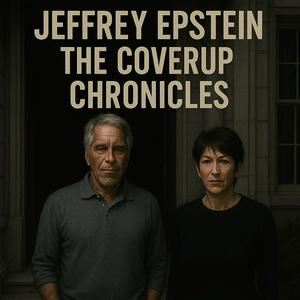
Acerca de Jeffrey Epstein: The Coverup Chronicles
Jeffrey Epstein: The Coverup Chronicles is a podcast dedicated to examining not just who Epstein was and what he did, but how so many people and institutions worked—then and now—to keep it all hidden. This series cuts past the headlines and digs into the documentation: court filings, deposition transcripts, plea deals, sealed exhibits, and the bureaucratic paper trail that still tells the real story. Our focus isn’t on speculation or recycled outrage. It’s on facts—and the deliberate efforts to keep those facts out of public view.Each episode will feature in-depth analysis of newly surfaced records and underreported legal developments, alongside expert commentary that connects them to the broader machinery of power that shielded Epstein for decades. We’ll revisit the timeline from his first arrests through his 2008 plea deal, and into the re-investigations that followed his 2019 death in federal custody. And we won’t stop there—we’ll look closely at the current state of affairs: the closed probes, the lingering co-conspirators, the civil suits, and the glaring gaps in accountability.What makes The Coverup Chronicles different is that we’re not here to sensationalize the story—we’re here to document the ongoing concealment of it. This isn’t just about reliving Epstein’s crimes. It’s about following the networks that enabled them, protected him, and continue to obscure the truth. If you want an honest look at what’s still being hidden—by whom, and why—this is the podcast that pulls those threads.And I should know—I’ve spent over six years uncovering every dark corner of this case. My name is Bobby Capucci, and I’ve dedicated those same six years exposing the truth about Epstein and the powerful figures who enabled him. From on-the-ground investigations at Epstein’s Zorro Ranch, where I spoke with insiders, to national appearances on Tucker Carlson, I’ve followed this story farther than most are willing to go.Who helped Epstein build his empire? Who protected him? And who is still pulling the strings? The answers lie in the shadows of Jeffrey Epstein's criminal empire. .This is the truth they don’t want you to hear. And I’m here to make sure you do.
Sitio web del podcastEscucha Jeffrey Epstein: The Coverup Chronicles, Mesa de Análisis con Loret y muchos más podcasts de todo el mundo con la aplicación de radio.net
Descarga la app gratuita: radio.net
- Añadir radios y podcasts a favoritos
- Transmisión por Wi-Fi y Bluetooth
- Carplay & Android Auto compatible
- Muchas otras funciones de la app
Descarga la app gratuita: radio.net
- Añadir radios y podcasts a favoritos
- Transmisión por Wi-Fi y Bluetooth
- Carplay & Android Auto compatible
- Muchas otras funciones de la app

Jeffrey Epstein: The Coverup Chronicles
Escanea el código,
Descarga la app,
Escucha.
Descarga la app,
Escucha.
Jeffrey Epstein: The Coverup Chronicles: Podcasts del grupo
 México

